(07) 3823 1896
Follow us on socials


How Digital Dentistry Is Transforming Smile Design
Dr. Jena Ward
January 15, 2026
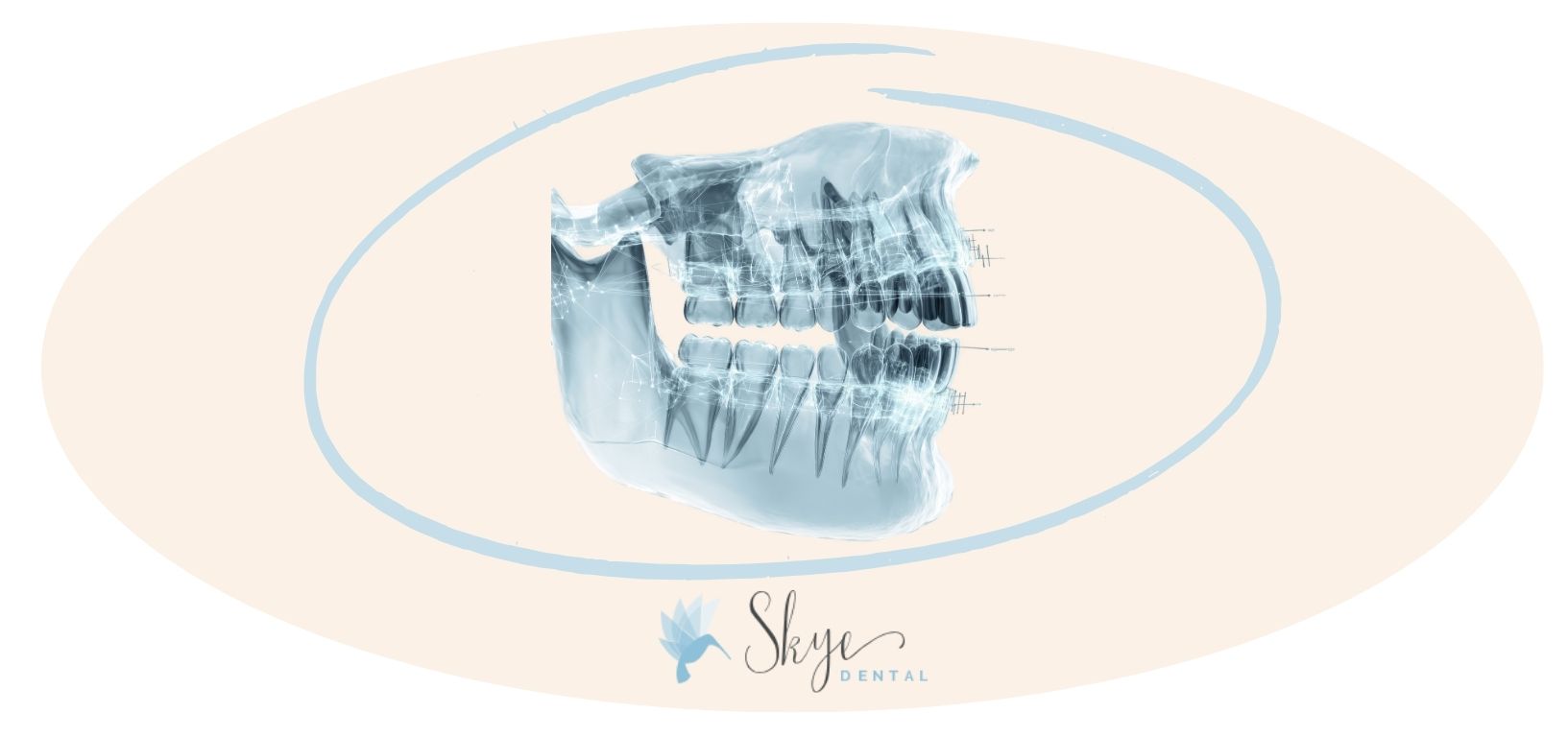
The way dentists plan and deliver cosmetic dental treatments has changed significantly with the introduction of digital technology. What was once based largely on moulds, manual adjustments and educated estimation can now be visualised, measured and refined before treatment begins. Digital dentistry has introduced a level of precision and aimed at achieving predictable results, that improves both clinical outcomes and patient confidence.
For patients considering smile design treatments, understanding how digital tools support planning and delivery can help clarify what to expect and why modern approaches differ from traditional methods.
What Is Digital Dentistry
Digital dentistry refers to the use of advanced imaging and scanning technology to capture detailed information about the teeth, gums and bite. This information is used to plan treatments with greater accuracy and to communicate expected outcomes more clearly.
Rather than relying on physical impressions and manual assessments alone, digital tools allow dentists to work from precise 3D models that can be analysed, adjusted and shared. The focus is on reducing uncertainty and replacing it with data-driven planning that improves consistency and reduces the need for adjustments during or after treatment.
Digital dentistry is not limited to cosmetic procedures. It is used across many areas of dental care, including restorations, orthodontics and dental implant placement. However, its impact on smile design has been particularly significant due to the visual and functional demands of cosmetic work.
The Role of Digital Scanning and 3D Imaging
Digital scanning has replaced traditional impressions in many clinical settings. A small intraoral scanner is used to capture detailed images of the teeth and gums within minutes. The scanner creates a 3D model that accurately reflects the shape, alignment and condition of each tooth.
For patients, digital scanning is more comfortable than traditional impression materials, which can cause gagging or discomfort. The process is faster, and the results are immediately available for review. If additional scans are needed, they can be completed without repeating the entire process.
The accuracy of digital scans reduces errors that can occur with physical impressions. This improves the fit of restorations such as crowns, veneers and bridges, and sometimes minimises the need for remakes or adjustments. Digital models can also be stored and referenced over time, which supports continuity of care and long-term treatment planning.
3D imaging extends beyond the surface level. It allows dentists to assess the underlying bone structure, tooth position and alignment in ways that are not visible during a standard examination. This information is particularly valuable when planning treatments that involve multiple teeth or require precise placement of restorations.
How Smile Simulations Improve Treatment Planning
One of the most valuable applications of digital dentistry in cosmetic care is the ability to simulate the expected outcome before treatment begins. Smile simulations use digital models and imaging software to show patients what their smile could look like after treatment.
This visual representation supports clearer communication between dentist and patient. Rather than relying on verbal descriptions or reference photos, patients can see a realistic preview of their own smile with proposed changes. This helps set accurate expectations and allows patients to provide input on aspects such as tooth shape, size and alignment.
Smile simulations also improve treatment planning by allowing dentists to test different approaches and identify potential challenges before any clinical work begins. Adjustments can be made digitally, which saves time and reduces the likelihood of revisions later in the process.
For patients who feel uncertain about committing to cosmetic treatment, seeing a simulation can provide the confidence needed to move forward. It also ensures that the final result aligns with the patient's goals and preferences, rather than being shaped solely by clinical judgement.
Benefits of Digital Dentistry for Patients
Digital dentistry offers several practical benefits that improve the overall patient experience. Accuracy is improved because measurements and models are captured digitally rather than manually. This reduces the margin for error and leads to custom-fitting restorations and more predictable outcomes.
Comfort is enhanced by eliminating the need for traditional impression materials. Digital scans are quicker and less invasive, which is particularly beneficial for patients with sensitive gag reflexes or anxiety around dental procedures.
Treatment planning becomes more transparent. Patients can review digital models, ask questions and understand the steps involved in their care. This transparency builds trust and helps patients feel more involved in the decision-making process.
Efficiency is also improved. Digital workflows reduce the time needed for certain stages of treatment and allow for faster turnaround on restorations. In some cases, this means fewer appointments and less waiting time between stages of care.
Who Can Benefit from Digital Smile Design
Digital smile design is suitable for a wide range of cosmetic dental treatments. Patients considering veneers can benefit from precise measurements and visual simulations that show how veneers will change the appearance of their smile. Those exploring teeth whitening or alignment treatments can use digital planning to understand how these changes will affect their overall appearance.
Full smile makeovers, which often involve multiple procedures, rely heavily on digital planning to coordinate treatment stages and ensure a cohesive result. Digital tools allow dentists to plan each step in sequence and show patients how individual treatments contribute to the final outcome.
Patients who have concerns about the appearance of their smile but are unsure what treatment is appropriate can use digital consultations to explore options. Smile simulations provide a low-pressure way to visualise possibilities before committing to a specific course of action.
Digital smile design is also valuable for patients who want to restore function alongside appearance. Treatments that address bite alignment, worn teeth or damaged restorations can be planned digitally to ensure both aesthetic and functional goals are met.
Conclusion
Digital dentistry has introduced a new standard in how smile design treatments are planned and delivered. The use of digital scanning, 3D imaging and smile simulations improves accuracy, enhances patient comfort and supports clearer communication throughout the treatment process. For patients considering cosmetic dental work, these tools provide greater confidence in the outcome and a more predictable path from consultation to completion.
Skye Dental uses digital dentistry technology to support precise treatment planning and deliver smile design outcomes that align with patient goals.
Book a consultation with Skye Dental to explore how digital smile design can support your treatment goals.
Disclaimer: Any surgical or invasive procedure carries risks. Before proceeding, you should seek a second opinion from an appropriately qualified health practitioner.
About the author

Dr. Jena Ward is the principal dentist and owner of Skye Dental. She graduated dentistry with first class honours from Griffith University. She won the award for Clinical Excellence in Endodontics following her extensive research into root canal therapy. Previously she graduated with a BSc majoring in Biomedicine from Auckland University. After graduating she worked rurally, focusing on Neuromuscular, Aesthetic, Reconstructive and Implant Dentistry before opening Skye Dental. Jena keeps up to date with numerous conferences, and utilises the latest technology, including 3D CAD/CAM. Her special interests include Invisalign (an almost invisible option to straighten teeth), root canal therapy, and cosmetic dentistry, including Implants. She works with a lot of phobic patients, and offers Twilight Sedation.
Originally from Brisbane, raised in Hong Kong Jena has lived in eight different countries and relates easily to all patients. Her patients travel to see her, from interstate and even overseas. Jena enjoys spending time with her family, sailing and volunteering her dental services overseas in third world countries.
Book Your
Appointment Today!


Contact Us
Don’t Be Embarrassed! Its never too late to come and see us, even just for a chat to know your options.
Features
Flexible Payment Plans
Open Saturdays
Easy Parking
Dental Implants & Cosmetics
Emergency Dental
Sedation Sleep Dentistry
Have A Question?
Submit your enquiry below and we'll get right back to you.
