(07) 3823 1896
Follow us on socials


How to Keep Your Smile Bright and Healthy
Dr. Jena Ward
February 9, 2026
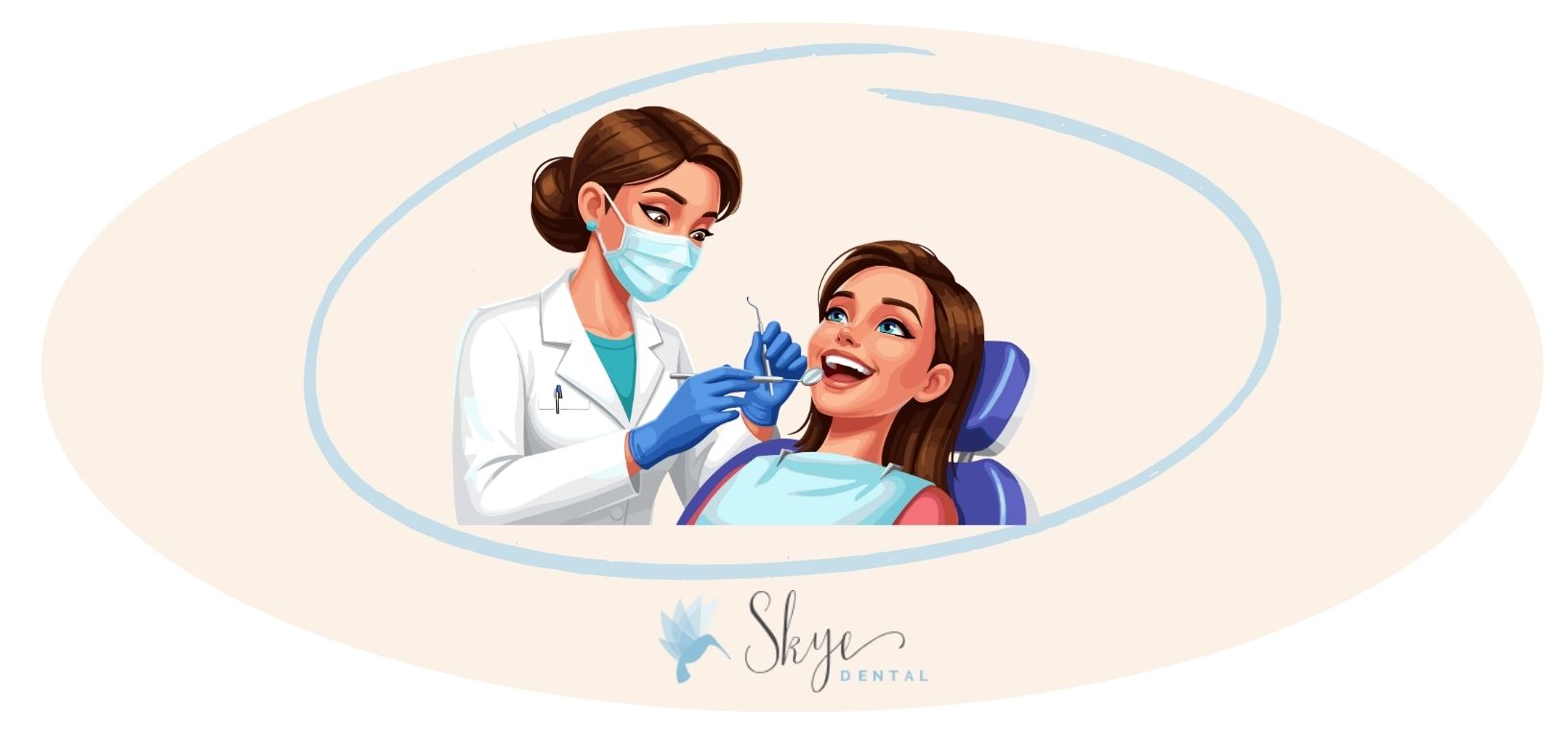
Your smile reflects the small choices you make every day. Whether it is what you drink between meals, how you care for your aligners, or when you decide to book a dental check-up, these habits accumulate over time and shape the long-term health of your teeth and gums. Some factors that influence oral health are widely understood, while others often go unnoticed until problems develop.
Understanding how lifestyle choices affect oral health can help you make informed decisions that support prevention and reduce the risk of common dental problems. The following guidance covers practical, evidence-based habits that contribute to maintaining oral health over the long term.
Moderating Sugar Intake
Sugar intake affects oral health primarily through the frequency and duration of exposure rather than total amount consumed. When sugar is present in the mouth, bacteria convert it into acid that weakens enamel and increases the risk of decay. This process begins within minutes of sugar consumption and continues for up to 30 minutes afterwards.
Frequent snacking or sipping on sugary drinks throughout the day creates repeated acid attacks that give enamel little opportunity to recover. Consuming sugary foods or drinks as part of a meal, rather than between meals, reduces the number of times teeth are exposed to acid. Rinsing with water after eating can help clear sugar and food particles from the mouth more quickly.
Hidden sugars are present in many processed foods, condiments and beverages that may not taste obviously sweet. Checking ingredient labels can help identify products with added sugars. Choosing whole foods over processed options generally reduces sugar exposure and supports better oral and overall health.
It is not necessary to eliminate sugar entirely, but being mindful of how often sugar is consumed and taking steps to minimise prolonged contact with teeth can make a meaningful difference to oral health over time.
Staying Hydrated
Adequate hydration supports oral health by maintaining saliva flow. Saliva helps neutralise acids produced by bacteria, wash away food particles and provide minerals that strengthen enamel. When saliva production decreases, the risk of decay and gum irritation increases.
Drinking water throughout the day supports consistent saliva production. Water also helps rinse the mouth after eating, which reduces the amount of sugar and debris available for bacteria to act on. Fluoridated tap water provides the additional benefit of delivering low levels of fluoride, which helps protect enamel from acid erosion.
Certain medications, medical conditions and lifestyle factors can reduce saliva flow. If you experience persistent dry mouth, this should be discussed with your dentist, as it may require specific management to protect your oral health.
Limiting acidic drinks such as soft drinks, sports drinks and fruit juices reduces enamel wear. When acidic beverages are consumed, drinking them quickly rather than sipping over an extended period minimises exposure. Waiting at least 30 minutes before brushing after consuming acidic foods or drinks allows enamel to reharden and reduces the risk of damage from brushing.
Daily Oral Care and Professional Support
Brushing twice daily with fluoride toothpaste helps remove plaque and food particles from tooth surfaces. A soft-bristled toothbrush should be used with gentle, circular motions to clean all surfaces without causing damage to gums or enamel. Brushing should last at least two minutes to help achieve thorough coverage.
Flossing once daily helps remove plaque and debris from between teeth and along the gumline, areas that a toothbrush cannot reach effectively. Interdental brushes or water flossers may be used as alternatives, particularly for patients who find traditional floss difficult to manage.
Home oral care alone cannot remove all plaque and tartar. Professional dental cleaning removes hardened deposits that accumulate despite regular brushing and flossing. These cleanings also provide an opportunity for your dentist to examine your teeth and gums, identify early signs of decay or gum disease, and address concerns before they develop into more complex problems.
Regular dental check-ups allow for ongoing monitoring of oral health and support early intervention when necessary. The frequency of check-ups depends on individual risk factors, oral health history and current conditions. Your dentist will recommend an appropriate schedule based on your specific needs.
Aligner and Retainer Care
For patients who wear aligners or retainers, proper care is essential to maintain both the appliance and oral health. Aligners and retainers should be removed before eating or drinking anything other than water. Food particles and sugary or acidic drinks can become trapped against teeth when an appliance is worn, increasing the risk of decay and staining.
Appliances should be cleaned daily using a soft toothbrush and lukewarm water. Avoid using hot water, as this can distort the material. Some patients use mild, non-abrasive soap or a cleaner specifically designed for orthodontic appliances. Toothpaste is generally not recommended, as it can be too abrasive and create small scratches that harbour bacteria.
Teeth should be brushed and flossed before reinserting aligners or retainers to prevent trapping bacteria and food debris against tooth surfaces. If brushing is not possible after a meal, rinsing thoroughly with water before reinserting the appliance reduces the amount of residue present.
Aligners and retainers should be stored in their protective case when not in use to prevent damage or loss. Regular inspections for cracks, wear or fit issues are important, and any concerns should be discussed with your dentist.
Knowing When to Seek Emergency Care
Certain dental symptoms require prompt professional assessment. Severe toothache that does not respond to over-the-counter pain relief may indicate infection or advanced decay. Swelling in the face, gums or jaw, particularly if accompanied by fever, can signal an abscess that requires urgent treatment.
A knocked-out tooth is a dental emergency. If this occurs, handle the tooth by the crown rather than the root, rinse it gently with water if dirty, and attempt to reinsert it into the socket if possible. If reinsertion is not possible, place the tooth in milk or saliva and seek dental care immediately. The likelihood of saving the tooth may decrease with time.
Broken or cracked teeth should be assessed as soon as possible, even if pain is minimal. Damage to the tooth structure can expose inner layers to bacteria and may worsen if left untreated. Bleeding that does not stop after applying gentle pressure for 10 to 15 minutes, persistent gum swelling, or trauma affecting the jaw should also be evaluated promptly.
Skye Dental provides emergency dental care for patients experiencing urgent oral health concerns and can advise on appropriate next steps based on the nature of the problem.
The Role of Regulation and Professional Care
Dental care in Australia is delivered within regulated standards overseen by the Dental Board of Australia, which operates under the Australian Health Practitioner Regulation Agency. These bodies set requirements for professional qualifications, clinical standards and ethical practice to protect patient safety and support quality care.
When seeking dental treatment, it is important to confirm that your dentist is registered and adheres to professional standards. Registered practitioners are required to maintain their skills through ongoing education and to operate within clinical and ethical guidelines.
Professional advice is necessary to address individual oral health needs. While general preventive guidance supports good oral health, specific concerns, symptoms or treatment decisions require assessment by a qualified dental professional who can evaluate your unique circumstances and recommend appropriate care.
Conclusion
Keeping your smile healthy relies on a combination of consistent daily habits and regular professional care. Moderating sugar intake, staying hydrated, maintaining thorough oral hygiene, caring properly for orthodontic appliances and seeking timely professional advice all contribute to long-term oral health.
Preventive care remains a valuable approach to reducing common dental problems and preserving the health of your teeth and gums over time. Individual needs vary, and professional guidance helps tailor your oral care routine to your specific circumstances.
Skye Dental offers preventive dental services, including check-ups, professional cleaning and emergency care, to support patients in maintaining their oral health.
If you would like personalised advice on maintaining your oral health, book a dental check-up with Skye Dental to discuss your preventive care needs.
About the author

Dr. Jena Ward is the principal dentist and owner of Skye Dental. She graduated dentistry with first class honours from Griffith University. She received the Clinical Excellence in Endodontics award from Griffith University in 2012, following her extensive research. Previously she graduated with a BSc majoring in Biomedicine from Auckland University. After graduating she worked rurally, focusing on Neuromuscular, Aesthetic, Reconstructive and Implant Dentistry before opening Skye Dental. Jena keeps up to date with numerous conferences, and utilises current technology, including 3D CAD/CAM. Her areas of focus include Invisalign (an almost invisible option to straighten teeth), root canal therapy, and cosmetic dentistry, including Implants. She works with a lot of phobic patients, and offers Twilight Sedation.
Originally from Brisbane, raised in Hong Kong Jena has lived in eight different countries and relates easily to all patients. Her patients travel to see her, from interstate and even overseas. Jena enjoys spending time with her family, sailing and volunteering her dental services overseas in third world countries.
Book Your
Appointment Today!

Contact Us
The team at Skye Dental is happy to answer questions or talk through your options before you book.
Features
Flexible Payment Plans
Open Saturdays
Easy Parking
Dental Implants & Cosmetics
Emergency Dental
Sedation Sleep Dentistry
Have A Question?
Submit your enquiry below and we'll get right back to you.
