(07) 3823 1896
Follow us on socials


Understanding Gum Disease: Symptoms, Causes, and Treatment Options
Dr. Jena Ward
January 15, 2026
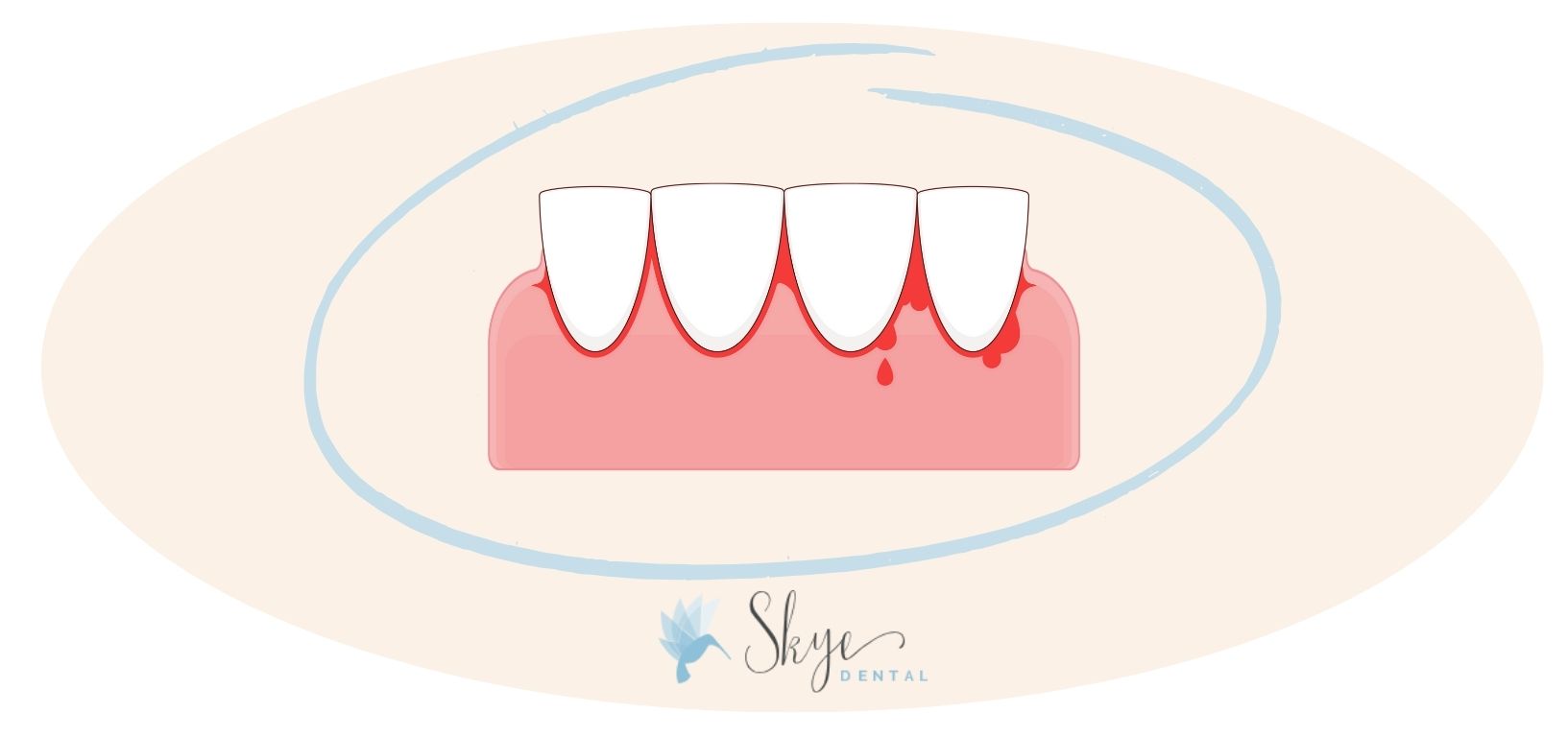
Gum disease is one of the most common oral health conditions affecting adults, yet its early symptoms are often mild enough to go unnoticed. What begins as minor inflammation can progress into a more serious condition if left untreated. The encouraging news is that gum disease is largely preventable, and when caught early, the damage can often be managed or improved with professional care and consistent home hygiene.
Understanding how gum disease develops, recognising the warning signs and knowing when to seek treatment are essential steps in protecting your long-term oral health.
What Is Gum Disease
Gum disease refers to inflammation and infection of the tissues that surround and support the teeth. It develops in two main stages: gingivitis and periodontitis.
Gingivitis is the early stage of gum disease. It occurs when plaque builds up along the gumline, causing inflammation. The gums may appear red or swollen and may bleed during brushing or flossing. At this stage, the damage is confined to the soft tissue and has not affected the bone or connective structures that hold teeth in place. Gingivitis can be managed with proper treatment and improved oral hygiene.
Periodontitis is the more advanced stage of gum disease. It develops when gingivitis is left untreated and inflammation spreads below the gumline. The infection begins to damage the bone and connective tissue that support the teeth. Pockets form between the teeth and gums, which harbour bacteria and make the condition harder to manage without professional intervention. Periodontitis can lead to tooth mobility and, in severe cases, tooth loss.
How Gingivitis Progresses to Periodontitis
The progression from gingivitis to periodontitis occurs when inflammation is not controlled. Plaque that remains on the teeth hardens into tartar, which cannot be removed through brushing or flossing. Tartar provides a rough surface where additional bacteria accumulate, deepening the inflammatory response.
As inflammation persists, the gum tissue begins to pull away from the teeth, forming pockets. These pockets become difficult to clean and allow bacteria to move deeper below the gumline. Over time, the infection reaches the bone and ligaments that anchor the teeth. Once this damage occurs, it cannot be reversed, though further progression can be slowed or stopped with appropriate treatment.
Early intervention can help prevent this progression. Regular dental check-ups allow your dentist to identify and treat gingivitis before it advances.
Common Signs and Symptoms to Watch For
Bleeding gums are often the first noticeable sign of gum disease. If your gums bleed when you brush or floss, this indicates inflammation and should not be ignored. Healthy gums do not bleed under normal brushing pressure.
Other symptoms include swollen or puffy gums, persistent bad breath that does not improve with brushing, gum tenderness, and gums that appear darker red than usual. As gum disease progresses, you may notice receding gums that make teeth appear longer, increased spaces between teeth, or a change in how your teeth fit together when you bite.
Pain is not always present in the early stages of gum disease. Many people experience no discomfort until the condition has advanced significantly. Regular dental examinations remain the most reliable way to detect gum disease before symptoms become obvious.
What Causes Gum Disease
Plaque is the primary cause of gum disease. Plaque is a sticky film of bacteria that forms constantly on teeth. When plaque is not removed through regular brushing and flossing, it irritates the gum tissue and triggers an inflammatory response. If plaque remains on the teeth for more than a few days, it hardens into tartar, which can only be removed by a dental professional.
Several factors increase the risk of developing gum disease. Smoking and tobacco use significantly impair the ability of gum tissue to heal and make treatment more difficult. Certain medical conditions, including diabetes and autoimmune disorders, can affect gum health. Some medications reduce saliva flow, which allows plaque to accumulate more easily. Hormonal changes during pregnancy or menopause can also increase gum sensitivity.
Inconsistent oral hygiene habits allow plaque and tartar to build up, particularly in areas that are difficult to reach. Even with good home care, professional cleaning is necessary to remove deposits that accumulate over time.
Treatment Options for Gum Disease
Treatment for gum disease depends on the severity of the condition and how early it is diagnosed. The goal is to control infection, stop disease progression and restore gum health where possible.
For gingivitis, professional cleaning is typically sufficient. A dental hygienist removes plaque and tartar from above and below the gumline, which allows inflamed tissue to heal. Patients are also given guidance on improving brushing and flossing techniques to prevent plaque from building up again. Gingivitis can often resolve with consistent home care.
For periodontitis, more intensive periodontal treatment may be required. Scaling and root planing is a deep cleaning procedure that removes tartar from below the gumline and smooths the root surfaces to help gum tissue reattach. In some cases, additional treatments such as antimicrobial therapy or minor surgical procedures may be necessary to reduce pocket depth and eliminate infection.
Ongoing maintenance is an important part of managing gum disease. Once the condition is under control, regular professional cleanings help prevent recurrence. The frequency of these visits is determined based on individual risk factors and the severity of previous disease.
Why Early Treatment Matters
Early treatment of gum disease reduces the risk of serious complications. When gingivitis is treated promptly, gum tissue can return to a healthy state without permanent damage. This prevents the need for more complex and costly procedures later.
Once periodontitis develops, the damage to bone and connective tissue cannot be fully reversed. However, treatment can halt further progression and preserve the remaining support structures. Without intervention, periodontitis can lead to tooth loss, which affects chewing function, appearance and overall quality of life.
Gum disease has also been associated with broader health concerns. Research suggests links between periodontal infection and conditions such as cardiovascular disease and diabetes complications. Managing gum health is an important part of overall health maintenance.
Conclusion
Gum disease is a common condition that develops gradually, often without obvious symptoms in its early stages. Recognising the signs, understanding the causes and seeking professional care when needed are essential steps in preventing long-term damage. Gingivitis can be reversed with timely treatment, while periodontitis requires ongoing management to protect your teeth and supporting structures.
Skye Dental provides comprehensive periodontal care and professional cleaning services to help you maintain healthy gums and prevent gum disease progression.
If you are experiencing bleeding gums or signs of gum disease, book an assessment with Skye Dental to receive personalised periodontal care.
Disclaimer: Any surgical or invasive procedure carries risks. Before proceeding, you should seek a second opinion from an appropriately qualified health practitioner.
About the author

Dr. Jena Ward is the principal dentist and owner of Skye Dental. She graduated dentistry with first class honours from Griffith University. She received the Clinical Excellence in Endodontics award from Griffith University in 2012, following her extensive research. Previously she graduated with a BSc majoring in Biomedicine from Auckland University. After graduating she worked rurally, focusing on Neuromuscular, Aesthetic, Reconstructive and Implant Dentistry before opening Skye Dental. Jena keeps up to date with numerous conferences, and utilises current technology, including 3D CAD/CAM. Her areas of focus include Invisalign (an almost invisible option to straighten teeth), root canal therapy, and cosmetic dentistry, including Implants. She works with a lot of phobic patients, and offers Twilight Sedation.
Originally from Brisbane, raised in Hong Kong Jena has lived in eight different countries and relates easily to all patients. Her patients travel to see her, from interstate and even overseas. Jena enjoys spending time with her family, sailing and volunteering her dental services overseas in third world countries.
Book Your
Appointment Today!


Contact Us
The team at Skye Dental is happy to answer questions or talk through your options before you book.
Features
Flexible Payment Plans
Open Saturdays
Easy Parking
Dental Implants & Cosmetics
Emergency Dental
Sedation Sleep Dentistry
Have A Question?
Submit your enquiry below and we'll get right back to you.
