(07) 3823 1896
Follow us on socials


Why Regular Dental Check-Ups Are Essential for Long-Term Oral Health
Dr. Jena Ward
January 15, 2026
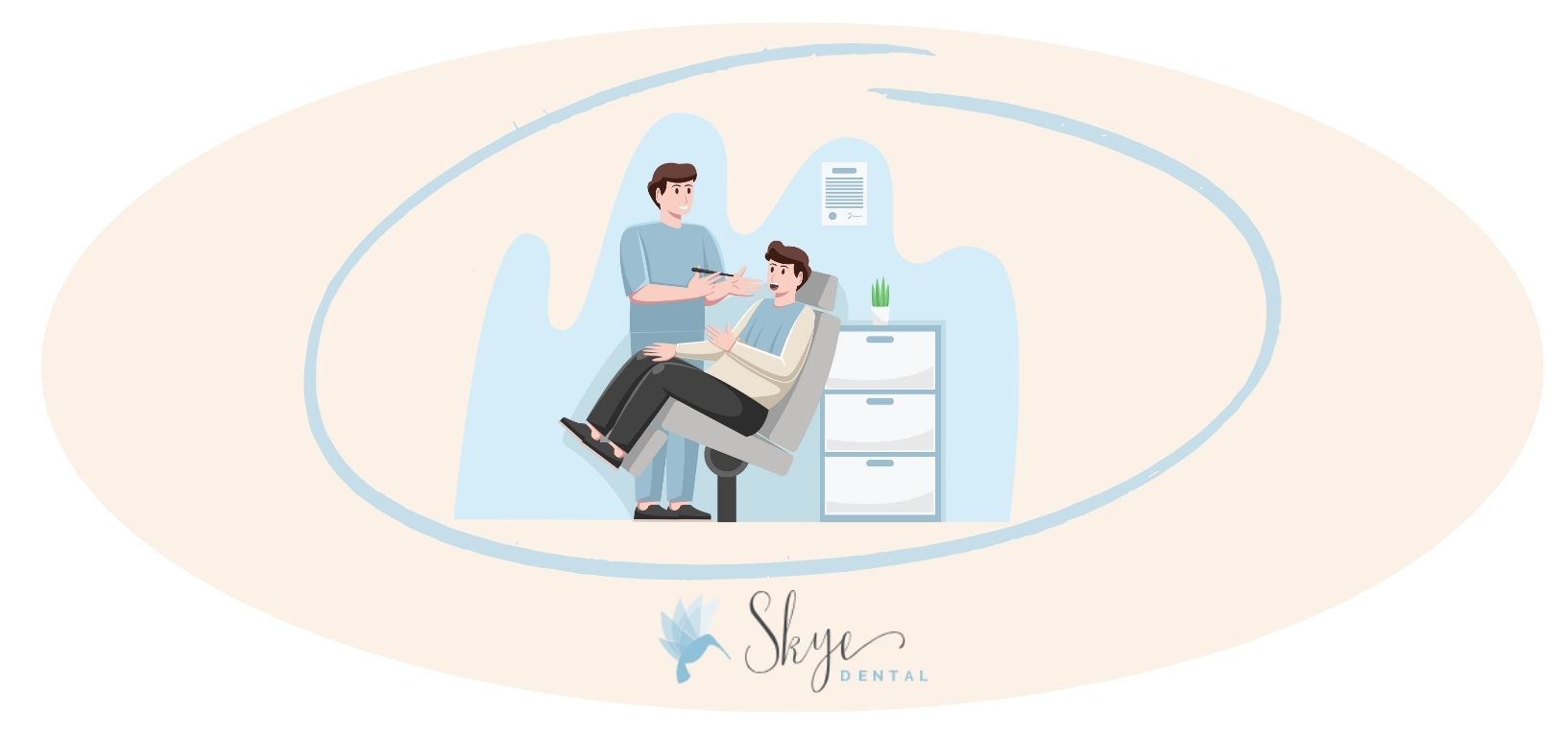
Regular dental check-ups are one of the most important ways to protect your long-term oral health. Many dental problems start small and remain unnoticed until they become painful or costly. Routine visits allow your dentist to detect changes early and prevent issues from progressing, helping you maintain a healthy, comfortable smile.
What Happens During a Routine Dental Check-Up?
A dental check-up involves more than a quick look at your teeth. Your dentist assesses your oral health in a structured and comprehensive way. The appointment usually includes an examination of your teeth, gums, and soft tissues, followed by an assessment of any existing fillings or restorations.
When necessary, digital X-rays help identify issues that are not visible during a visual exam, such as decay between teeth, bone changes, or early signs of infection. The visit may also include a professional clean to remove plaque and tartar. Each step aims to maintain your oral health and prevent problems before they develop.
The Role of Professional Cleaning and Scaling
Professional cleaning removes plaque and tartar that cannot be eliminated through brushing and flossing alone. Tartar is hardened plaque that builds up in areas that are difficult to reach, and once it forms it can only be removed by a dental professional.
Scaling helps prevent gum inflammation and the early stages of gum disease. It helps your gums stay healthy and firm and reduces the risk of bleeding, swelling, or discomfort. Polishing smooths the surface of the teeth, making it harder for new plaque to build up. Regular cleaning supports fresh breath and helps protect the teeth over the long term.
Early Detection Prevents Larger Problems
Most dental issues do not cause pain in the early stages. Tooth decay, gum disease, enamel wear, cracked fillings, and early signs of grinding often develop slowly. When detected early, these problems can be treated conservatively and comfortably.
Your dentist can also identify changes in your overall oral health, including the early signs of oral cancer, nutritional deficiencies, or problems related to medical conditions. Early detection protects your teeth, reduces the likelihood of emergencies, and supports long-term comfort and function.
How Regular Check-Ups Save You Money and Discomfort
Regular check-ups are one of the simplest ways to avoid the high costs associated with advanced dental treatment. Dental problems develop gradually, and when they are detected early they can usually be managed with conservative care that is far more affordable than the procedures required to treat late-stage disease.
Tooth decay, for example, begins as a small area of softened enamel. Treated early, it can often be repaired with a simple filling. If it is ignored, the decay spreads deeper into the tooth, eventually reaching the nerve. At this point treatment may require root canal therapy followed by a crown, which is significantly more expensive than addressing the issue early. In some cases, delaying care can lead to infection or tooth loss, which may then require implants or bridges to restore function.
Gum disease follows a similar pattern. Early gum inflammation (gingivitis) can be reversed with routine cleaning and improved home care. When it progresses without treatment, it can lead to periodontal disease, which damages the bone that supports the teeth. Managing this advanced stage often requires deep cleaning, additional appointments, and sometimes surgery. Treating early gum inflammation is far more affordable than managing the consequences of long-term periodontal damage.
Regular check-ups also prevent emergencies. Dental pain often occurs only after a problem has become severe. Emergency treatment is not only more stressful but can also be more costly due to the complexity of the procedure and the need for immediate care. Routine visits help identify risks such as cracked fillings, worn enamel, or early infection before they develop into urgent concerns.
Another long-term saving comes from protecting existing dental work. Fillings, crowns, and implants last longer when they are monitored and maintained. Identifying small issues early, such as a loose filling or a chipped crown, reduces the chance of failure and avoids the expense of replacement.
When you visit the dentist regularly, you protect your teeth, gums, and existing restorations and reduce the likelihood of needing major treatment. Preventive care is a practical investment that keeps long-term costs manageable while preserving your comfort and oral health.
How Often Should You Visit the Dentist?
Most adults benefit from a dental check-up every six months. Some patients may need more frequent visits depending on their gum health, medical history, or risk of decay. Your dentist will recommend a schedule that suits your needs and oral hygiene habits.
Regular visits allow small changes to be monitored and managed early, supporting long-term health and stability.
Preventive Care at Skye Dental
Preventive dentistry is the foundation of our approach at Skye Dental. Our team provides gentle and detailed check-ups supported by modern diagnostic technology. We take the time to understand your oral health, assess any concerns, and guide you with practical advice tailored to your needs.
Our preventive care plans include routine examinations, professional cleaning, gum health assessments, digital imaging, and ongoing support to keep your teeth and gums healthy. By taking a proactive approach, we aim to protect your oral health for the long term.
Protect Your Oral Health with Regular Care
Ready to protect your long-term oral health? Book your routine dental check-up with Skye Dental today.
About the author

Dr. Jena Ward is the principal dentist and owner of Skye Dental. She graduated dentistry with first class honours from Griffith University. She received the Clinical Excellence in Endodontics award from Griffith University in 2012, following her extensive research. Previously she graduated with a BSc majoring in Biomedicine from Auckland University. After graduating she worked rurally, focusing on Neuromuscular, Aesthetic, Reconstructive and Implant Dentistry before opening Skye Dental. Jena keeps up to date with numerous conferences, and utilises current technology, including 3D CAD/CAM. Her areas of focus include Invisalign (an almost invisible option to straighten teeth), root canal therapy, and cosmetic dentistry, including Implants. She works with a lot of phobic patients, and offers Twilight Sedation.
Originally from Brisbane, raised in Hong Kong Jena has lived in eight different countries and relates easily to all patients. Her patients travel to see her, from interstate and even overseas. Jena enjoys spending time with her family, sailing and volunteering her dental services overseas in third world countries.
Book Your
Appointment Today!

Contact Us
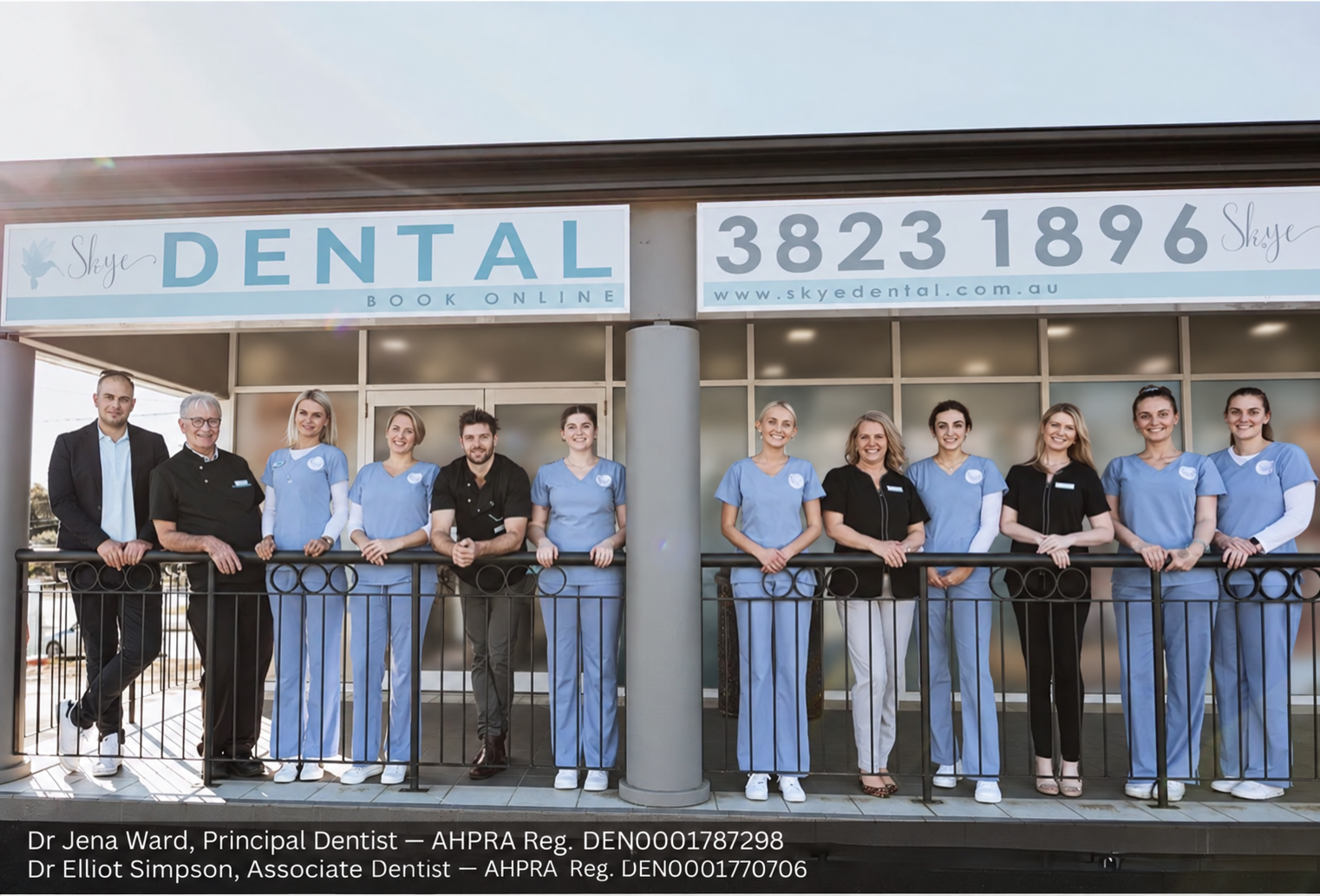
The team at Skye Dental is happy to answer questions or talk through your options before you book.
Features
Flexible Payment Plans
Open Saturdays
Easy Parking
Dental Implants & Cosmetics
Emergency Dental
Sedation Sleep Dentistry
Have A Question?
Submit your enquiry below and we'll get right back to you.
