(07) 3823 1896
Follow us on socials


Teeth Bonding vs Veneers: Choosing the Right Cosmetic Fix
Dr. Jena Ward
April 10, 2026
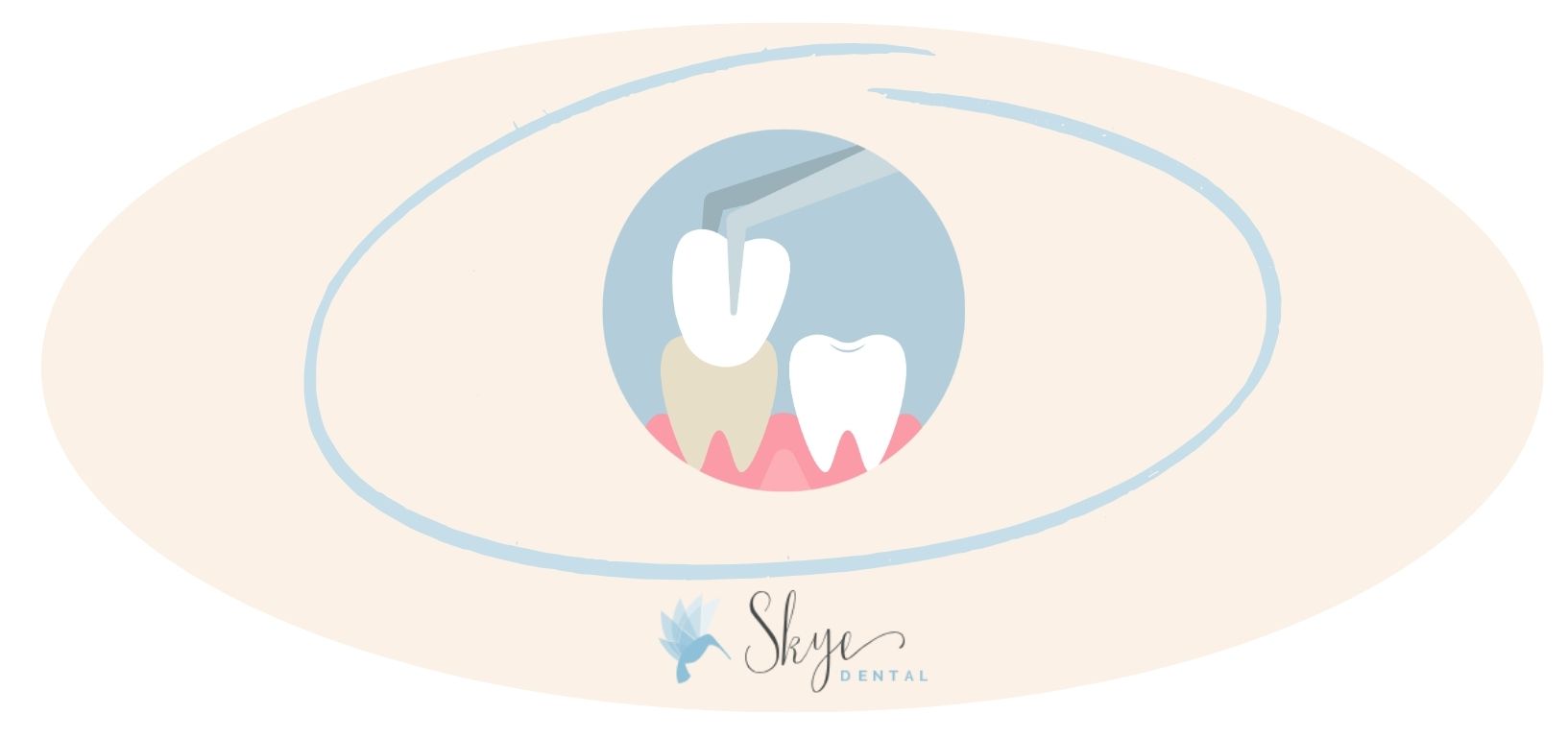
Choosing between teeth bonding and dental veneers depends on what you want to address, how durable you need the result to be and what you are prepared to invest. Both treatments can improve the appearance of chipped, discoloured or uneven teeth, but each suits a different situation and carries a different set of trade-offs. This article compares the two options directly so you can arrive at a consultation with a clear picture of what each treatment involves and which is likely to suit your teeth and your goals.
What Is Teeth Bonding?
Teeth bonding uses composite resin (a tooth-coloured, mouldable material) to repair or reshape the front surface of a tooth in a single appointment. Your dentist selects a resin shade that closely matches your surrounding teeth, applies it to the lightly prepared tooth surface, sculpts it into shape and sets it with a curing light before polishing the result. Because the process requires minimal preparation of the natural tooth, it preserves existing healthy enamel in most cases and does not require laboratory work between visits.
Bonding is well suited as a targeted, conservative option for smaller concerns. It is widely used across Australia as a cost-accessible entry point into cosmetic dentistry and suits patients who want a noticeable improvement without committing to a more involved treatment.
Bonding can address:
- Chipped or cracked teeth
- Small gaps between teeth
- Mildly discoloured or stained teeth
- Slightly uneven tooth shape
- Minor surface irregularities
What Are Dental Veneers?
Dental veneers are thin shells bonded to the front surface of a tooth to change its colour, shape, size or overall appearance. Two main types are available: porcelain veneers, which are custom-made in a dental laboratory and offer strong durability and stain resistance; and composite veneers, which are applied directly to the tooth in the chair using the same resin material as bonding but covering a greater surface area.
The most important difference between the two types involves tooth preparation. Porcelain veneers require the permanent removal of a thin layer of enamel from the front of the tooth before the veneer is placed. Because enamel does not grow back, this step is irreversible. Once the enamel is removed, the tooth will always need a veneer or crown for protection. Patients should consider this carefully and discuss it in full with their dentist before proceeding with porcelain veneers.
Composite veneers involve minimal or no enamel reduction and can in some cases be adjusted or removed, though outcomes vary by individual case. Veneers of either type tend to be the preferred option when multiple teeth are involved or when a more comprehensive change to shape, shade or proportion is the goal rather than a single targeted repair.
Bonding vs Veneers at a Glance
The table below compares both treatments across the factors most patients weigh when making a decision.
| Feature | Teeth Bonding | Composite Veneers | Porcelain Veneers |
|---|---|---|---|
| Approx. cost per tooth (AUD) | $300–$900 | $400–$900 | $1,500–$2,500 |
| Appointments needed | 1 | 1 | 2-3 |
| Typical longevity | 3–7 years | 5–7 years | 10-20 years |
| Enamel removal required | Minimal to none | Minimal to none | Yes - irreversible |
| Generally reversible | Yes | In most cases | No |
| Stain resistance | Moderate | Moderate | High |
| Best suited to | Single tooth, minor fixes | Mild-to-moderate coverage | Multiple teeth, broader change |
All costs are approximate and vary by case complexity, number of teeth and practice. A personalised quote is available at your consultation.
Cost Comparison: What to Expect in Australia
Teeth bonding is generally the most accessible starting point, with costs typically ranging from $300 to $900 per tooth depending on the size of the repair and the number of teeth involved. Composite veneers sit in a similar price range at approximately $400 to $900 per tooth. Porcelain veneers involve a higher investment, with costs commonly ranging from $1,500 to $2,500 per tooth, reflecting the laboratory work, materials and the additional appointments involved.
These figures are indicative only and should not be taken as a fixed quote. The only reliable way to understand what your treatment will cost is through a consultation where your dentist can assess your specific teeth, oral health and goals and provide an accurate estimate based on your individual case.
It is also worth considering the long-term picture when comparing costs. Bonding and composite veneers carry a lower upfront cost but typically need replacing sooner than porcelain, which means the total cost of ownership over 10 or more years can be comparable or higher. Your dentist can help you weigh the short-term and long-term financial factors alongside the clinical considerations.
Cosmetic dental treatment is generally not covered by private health insurance in Australia. Patients should confirm their own level of cover directly with their fund before making any assumptions about rebates.
How Long Does Each Treatment Last?
Longevity is one of the clearer differences between teeth bonding and veneers and directly influences the long-term value of each option. Teeth bonding can last 3 to 7 years with appropriate care. Composite veneers typically last 5 to 7 years. Porcelain veneers can last 10 to 20 years and are the most durable of the three options.
These figures represent typical ranges and are not guarantees. How long any cosmetic dental treatment lasts depends on a combination of factors: your oral hygiene routine, the foods and drinks you consume regularly and any habits that place repeated stress on your teeth including grinding (bruxism), nail biting or using your teeth to open packaging. Consuming coffee, tea and red wine frequently can accelerate discolouration of composite resin over time.
Regular dental check-ups play an important role in extending the life of any cosmetic treatment. Early detection of chips, lifting edges or surface wear means small issues can be addressed before they require full replacement. Your dentist can advise how often to attend based on your individual treatment and circumstances.
Will It Look Natural?
Both teeth bonding and dental veneers can achieve results that closely match your surrounding teeth but the degree depends on the material used and the skill and experience of the practitioner. There is no single correct answer for every patient, and what looks most natural for one person may not be the most appropriate clinical choice for another.
Porcelain closely resembles the light-reflecting qualities and translucency of natural tooth enamel. It also resists staining over time, which means the result holds its appearance well between dental visits. Composite resin is colour-matched carefully at the time of placement and looks natural initially, but the material is more porous than porcelain and can gradually discolour with continued exposure to tea, coffee and red wine.
If you are planning to whiten your teeth, completing that process before bonding or veneers is the right sequence. The shade of the composite resin or porcelain is matched to your teeth at the time of placement, whitening your teeth afterwards will not change the shade of the bonding or veneer. Skye Dental's dentists factor this into the treatment planning process to help achieve a consistent result across all teeth.
Which Treatment Suits Your Concern?
The right treatment depends on the specific concern you want to address, the severity of it and your broader goals. The table below provides general guidance, individual suitability depends on your oral health and a clinical assessment by your dentist.
| Concern | Recommended Treatment | Rationale |
|---|---|---|
| Chipped tooth (minor) | Teeth bonding | Quick, conservative and cost-effective for small chips on a single tooth |
| Chipped tooth (significant) | Porcelain veneer | Greater coverage and durability where a larger surface area is affected |
| Small gap between teeth | Either, depends on gap size | Bonding suits smaller gaps; veneers offer broader reshaping for larger gaps |
| Mild discolouration | Bonding or composite veneer | Bonding addresses surface staining; composite veneer covers a greater area of the tooth |
| Severe or internal discolouration | Porcelain veneer | Porcelain covers the full tooth surface and resists future staining |
| Uneven tooth shape | Either | Both correct shape; veneers offer more comprehensive coverage |
| Small surface cracks | Teeth bonding | Composite resin fills and seals minor surface cracks effectively |
| Multiple teeth - comprehensive change | Porcelain veneers | Greater uniformity, longevity and aesthetic consistency across multiple teeth |
This table provides general guidance only and does not constitute clinical advice. Your dentist will assess your teeth and overall oral health to recommend the most appropriate option for your individual situation.
What the Process Looks Like
Understanding what each treatment involves helps you prepare for your appointment and set realistic expectations. Both processes are straightforward, but they differ in the number of visits required and the degree of tooth preparation involved.
Teeth Bonding — Step by Step
Teeth bonding is completed in a single appointment with no laboratory work required. Each tooth typically takes between 30 and 60 minutes to treat, and anaesthesia is not required in most cases.
- Your dentist selects a composite resin shade that matches your natural tooth colour.
- The tooth surface receives a light preparation to help the resin adhere securely.
- The resin is applied, shaped and sculpted to the desired form.
- A curing light sets the resin. Your dentist then polishes the surface to a smooth, natural finish.
Dental Veneers — Step by Step
Composite veneers follow a process similar to bonding and are often completed in a single appointment. Porcelain veneers require more preparation and typically span two or more appointments.
For porcelain veneers, the process generally follows these stages:
- Appointment 1: Your dentist removes a thin layer of enamel from the tooth surface, takes impressions and may place temporary veneers while your permanent ones are custom-made in a laboratory.
- Between appointments: The laboratory crafts your porcelain veneers to the specified shade and shape based on the impressions taken.
- Appointment 2: Your dentist checks the fit and shade of the finished veneers, makes any final adjustments and bonds them permanently into place.
The two appointments for porcelain veneers are typically scheduled one to two weeks apart. The exact number of visits and steps involved can vary depending on your individual case, and your dentist will outline the process specific to your treatment at your consultation.
Questions to Ask at Your Consultation
Going into a cosmetic dental consultation with the right questions helps you make a confident, well-informed decision. Before committing to either treatment, consider asking your dentist the following.
- Based on my oral health and teeth, which treatment do you recommend and why?
- What are the realistic longevity expectations for my case specifically?
- How many teeth will need treatment to achieve the result I want?
- Should I complete teeth whitening before bonding or veneers?
- What maintenance will I need to protect and extend the life of the treatment?
- Are there any oral health concerns that should be addressed before I proceed?
- What does the full cost look like, including any follow-up care?
Explore Our Dentistry Services
From teeth bonding to porcelain veneers, Skye Dental offers a range of options tailored to your goals. Contact us to arrange an assessment.
Compliance note
This article has been written in accordance with AHPRA Advertising Guidelines, Dental Board of Australia advertising standards and Australian Consumer Law. All cost figures are indicative ranges only. No outcome guarantees are made. Longevity figures use qualifying language throughout. Irreversibility of porcelain veneer enamel reduction is disclosed. Readers are directed to consult a practitioner for individual assessment.
About the author

Dr. Jena Ward is the principal dentist and owner of Skye Dental. She graduated dentistry with first class honours from Griffith University. She received the Clinical Excellence in Endodontics award from Griffith University in 2012, following her extensive research. Previously she graduated with a BSc majoring in Biomedicine from Auckland University. After graduating she worked rurally, focusing on Neuromuscular, Aesthetic, Reconstructive and Implant Dentistry before opening Skye Dental. Jena keeps up to date with numerous conferences, and utilises current technology, including 3D CAD/CAM. Her areas of focus include Invisalign (an almost invisible option to straighten teeth), root canal therapy, and cosmetic dentistry, including Implants. She works with a lot of phobic patients, and offers Twilight Sedation.
Originally from Brisbane, raised in Hong Kong Jena has lived in eight different countries and relates easily to all patients. Her patients travel to see her, from interstate and even overseas. Jena enjoys spending time with her family, sailing and volunteering her dental services overseas in third world countries.
Book Your
Appointment Today!

Contact Us
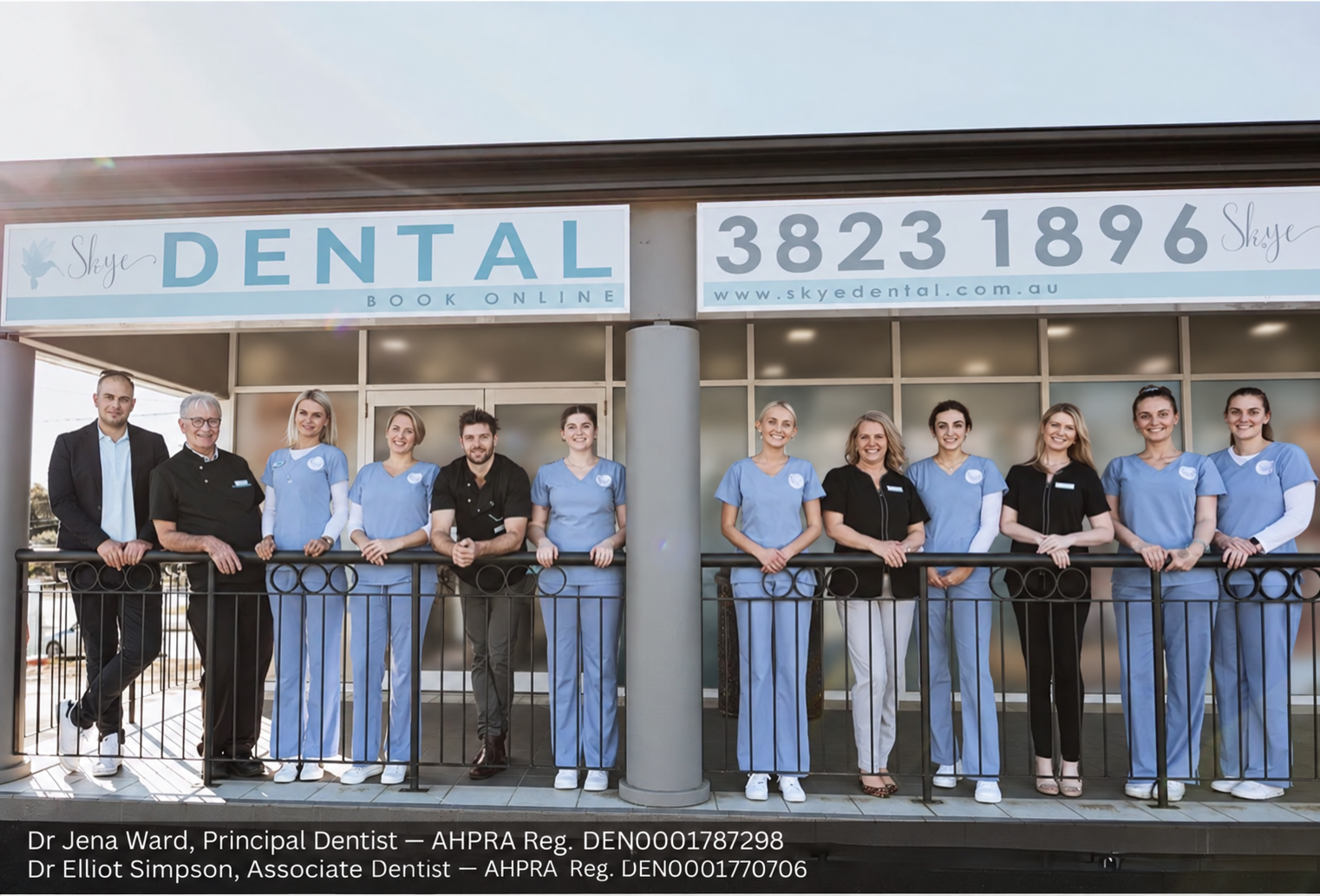
The team at Skye Dental is happy to answer questions or talk through your options before you book.
Features
Flexible Payment Plans
Open Saturdays
Easy Parking
Dental Implants & Cosmetics
Emergency Dental
Sedation Sleep Dentistry
Have A Question?
Submit your enquiry below and we'll get right back to you.
